

Coast & deltaDay trip · Kakinada
Hope Island
హోప్ ఐలాండ్
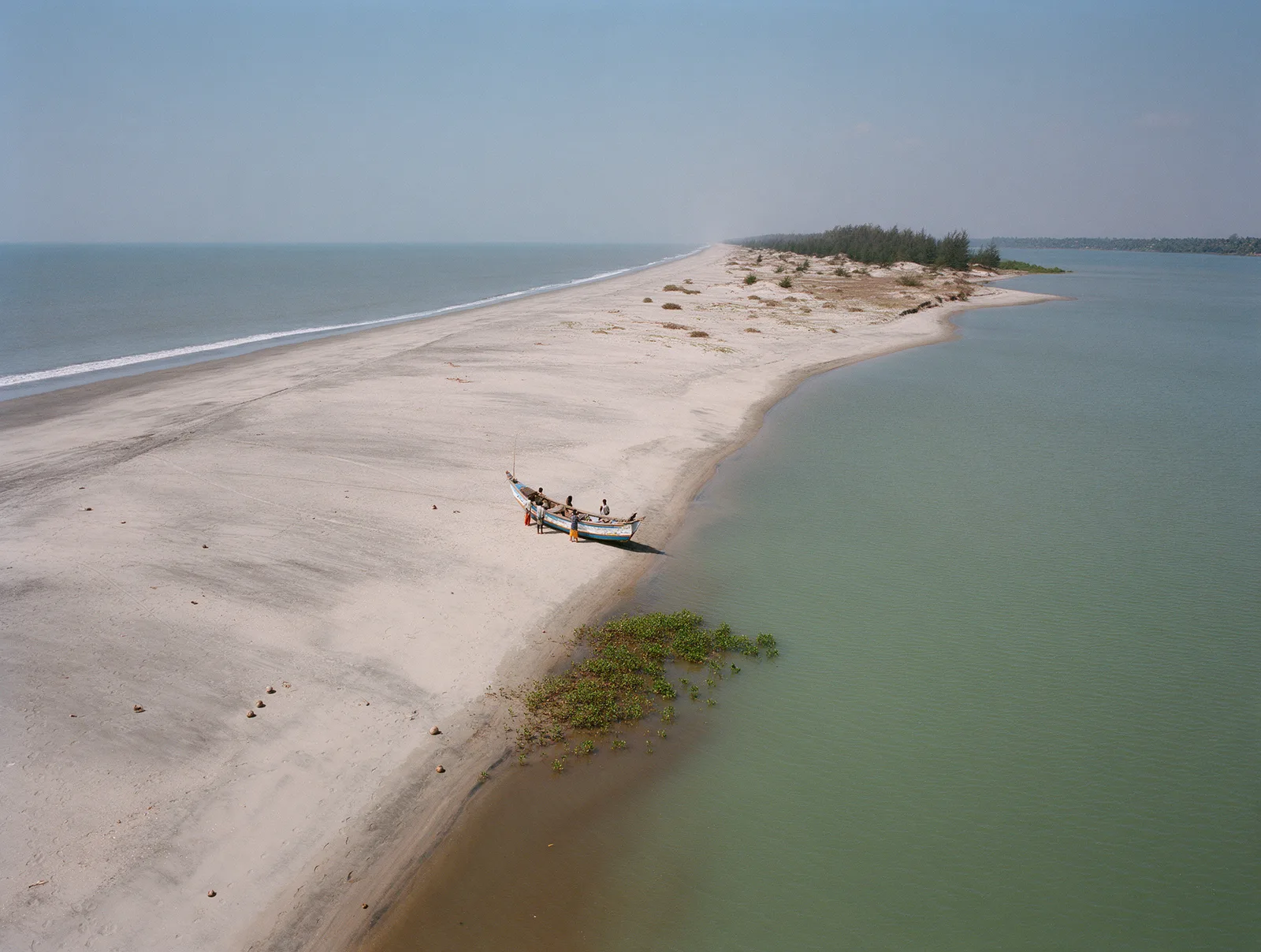
A young sand spit that shields Kakinada from the open sea.
16.9236° N
82.3627° E
- Distance
- About 63 kmby road from Rajamahendravaram, then by boat from Kakinada
- Best time
- December to March; set out early in the morning
- Time to spend
- Half a day, including the boat crossing
- District
- Kakinada districtTallarevu mandal
About Hope Island
Hope Island is a long, narrow spit of sand on the far side of Kakinada Bay. The Kakinada district administration says it built up over the last two hundred years from sand carried down by the Godavari. The 1915 district gazetteer describes a spit creeping north from the old Point Godavari, about a mile every twenty years. Today it runs for about 16 km and acts as a natural breakwater, sheltering the city and its port from the worst of the Bay of Bengal’s storms.
The island is not empty. Fishing families live in small hamlets on it, and there are a few government buildings. The northern tip, Godavari Point, looks across the mouth of the bay towards the harbour. The same gazetteer records that the Hope Island lighthouse was given up in 1902. The sandy beaches are part of the Coringa Wildlife Sanctuary, and olive ridley turtles come ashore to nest between January and March. Go prepared to look after yourself.
Highlights
- The boat crossing over the sheltered waters of Kakinada Bay
- Godavari Point, the northern tip facing the entrance to the bay
- Open sea on one side, the sheltered bay on the other
- Olive ridley turtle nesting beaches, January to March
- Small fishing hamlets where families live off the sea
Good to know
- Carry drinking water, food, a hat and sunscreen. Don’t count on buying anything on the island.
- Before you go, ask the Forest Department in Kakinada about boats and access, since the beaches are part of the Coringa Wildlife Sanctuary. Leave turtle nests and eggs alone.
- Wear a life jacket on the crossing and don’t go when the sea is rough or a cyclone warning is up.
Keep exploring
Nearby places
 Coast & delta72 kmకోరింగ
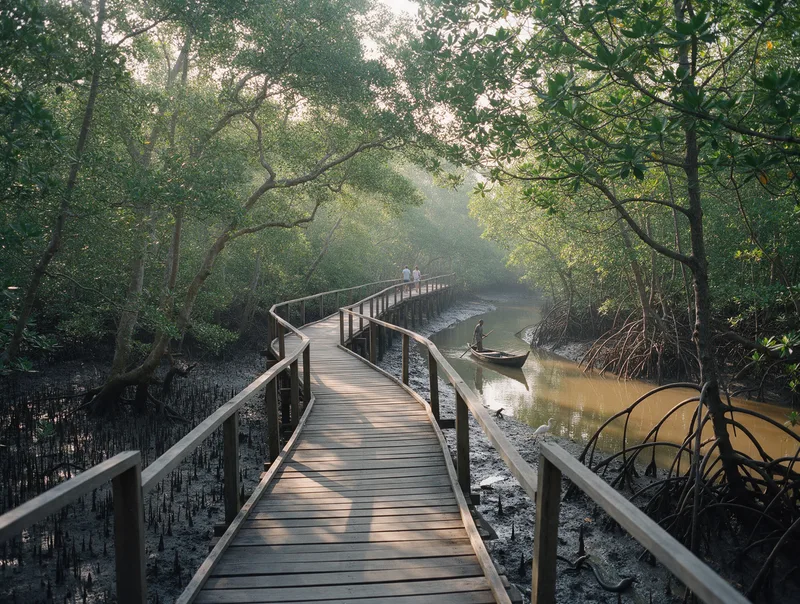
Coringa mangroves
A boardwalk, a watch tower and boat rides through the Godavari delta’s mangroves.Day trip · Kakinada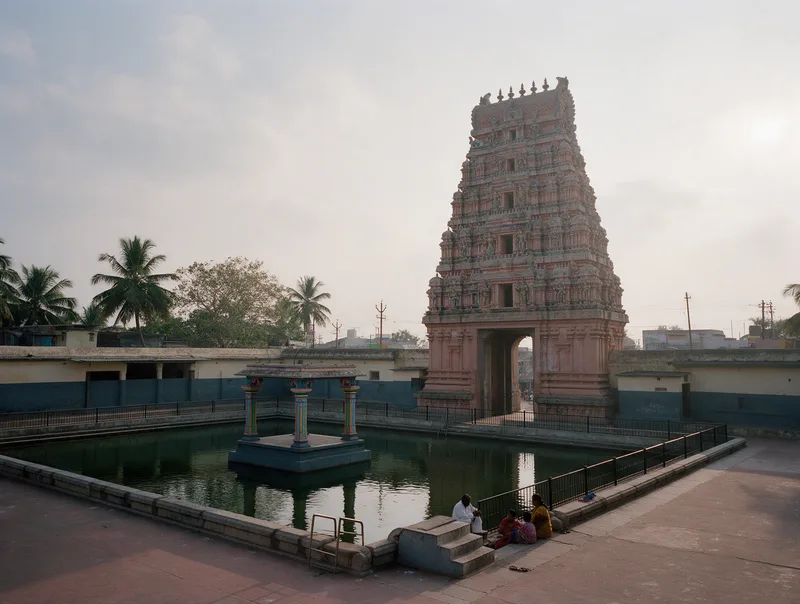 Devotional60 kmపిఠాపురం
Pithapuram
A Shakti Peetha and the Pada Gaya tank in one compound, in Sripada Srivallabha’s town.Day trip · Kakinada Devotional50 kmసామర్లకోట
Samalkot
Kumararama: a Pancharama shrine whose linga rises through two floors.Day trip · Kakinada