

HeritageEast Godavari
Biccavolu
బిక్కవోలు
Ninth- and tenth-century Eastern Chalukya shrines among village lanes and fields.
16.9596° N
82.0488° E
- Distance
- About 40 kmby road from Rajamahendravaram
- Best time
- October to February; early morning or late afternoon
- Time to spend
- 2 to 3 hours
- District
- East Godavari districtBiccavolu mandal
About Biccavolu
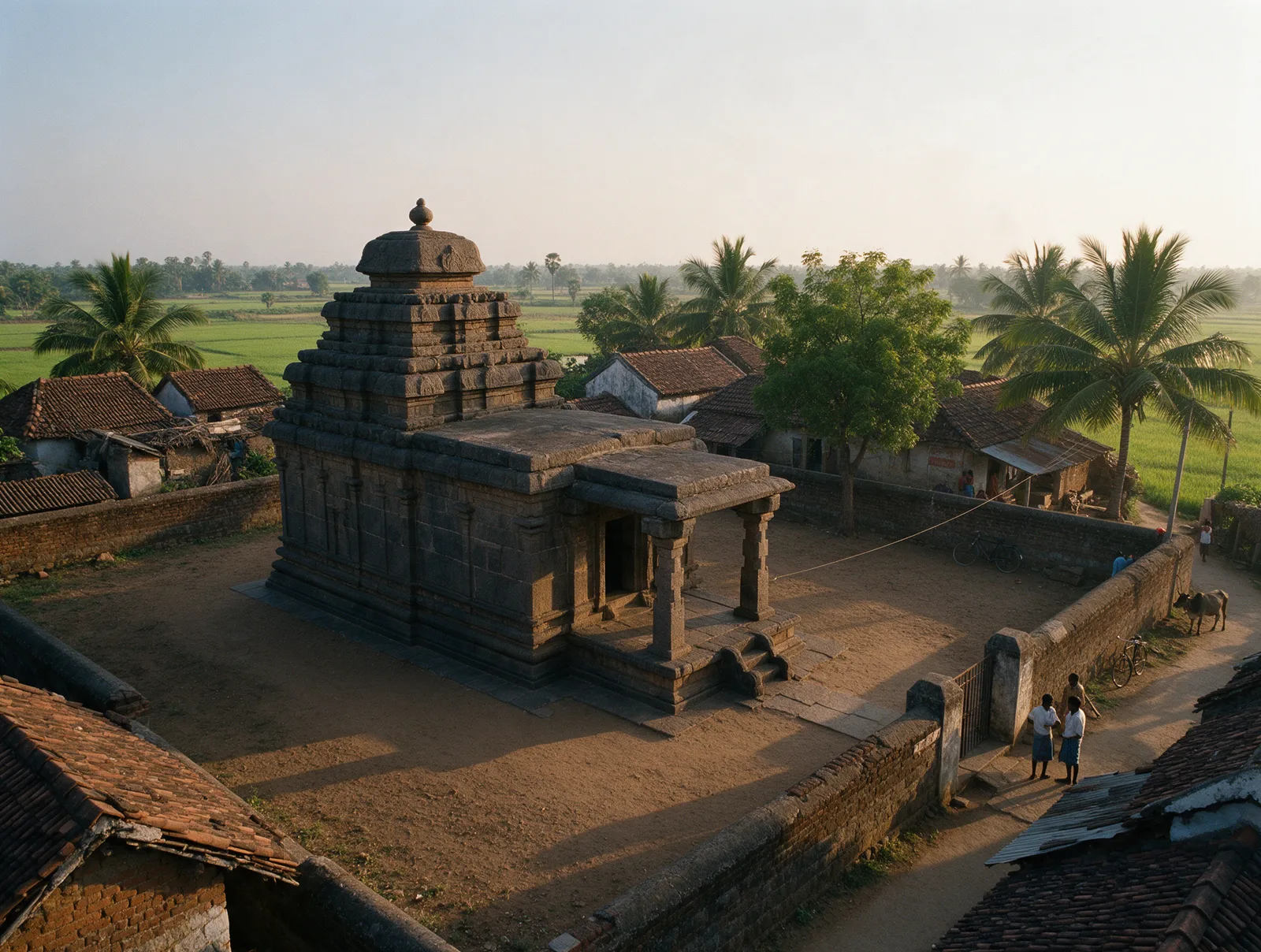
Biccavolu is a village about 40 km east of Rajamahendravaram, on the state highway between Anaparthi and Samalkot. The Eastern Chalukyas of Vengi built stone temples here in the ninth and tenth centuries. The village’s name is traced to Gunaga Vijayaditya III, an Eastern Chalukya king of the late ninth century. The Archaeological Survey of India protects five monuments here as being of national importance: the Golingeswara group, Kancharagudi, Nakkalagudi, the Veerabhadra temple and a monolithic Ganesha.
The Golingeswara group stands inside the village and is still in worship. It has three shrines. Golingeswara has a carving of Shiva embracing Parvati. The Rajarajeswari shrine has niches with Ganesha, Kartikeya on his peacock and Mahishamardini. The third shrine is to Chandrasekhara Swamy. The Ganesha, about 11 feet tall and cut from a single stone, is a short walk away. The other shrines are on the edges of the village and out in the fields, all within about a kilometre of each other.
Highlights
- Golingeswara group, three Eastern Chalukya shrines still in worship
- Shiva embracing Parvati, carved in the Golingeswara shrine
- Monolithic Ganesha, about 11 feet tall, cut from a single stone
- Rajarajeswari shrine niches with Ganesha, Kartikeya on a peacock and Mahishamardini
- Nakkalagudi, Kancharagudi and the Veerabhadra temple, all protected by the ASI
Good to know
- The Golingeswara shrines are working temples, so dress modestly and leave footwear outside.
- The protected shrines are spread across village lanes and field edges. Walk between them, and carry water and a hat.
- The village celebrates Subrahmanya Shashti in the month of Margashirsha (November or December). Check the date when you plan your visit.
Keep exploring
Nearby places
 Devotional50 kmసామర్లకోట
Samalkot
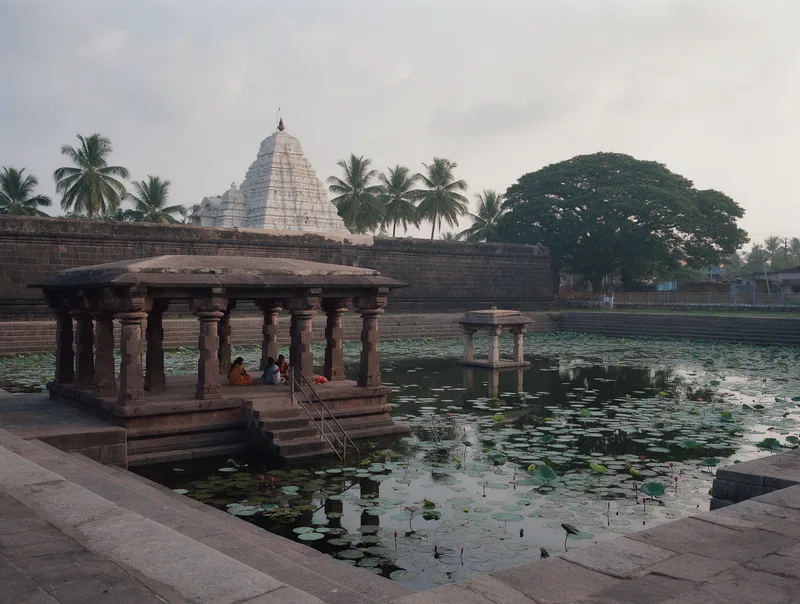
Kumararama: a Pancharama shrine whose linga rises through two floors.Day trip · Kakinada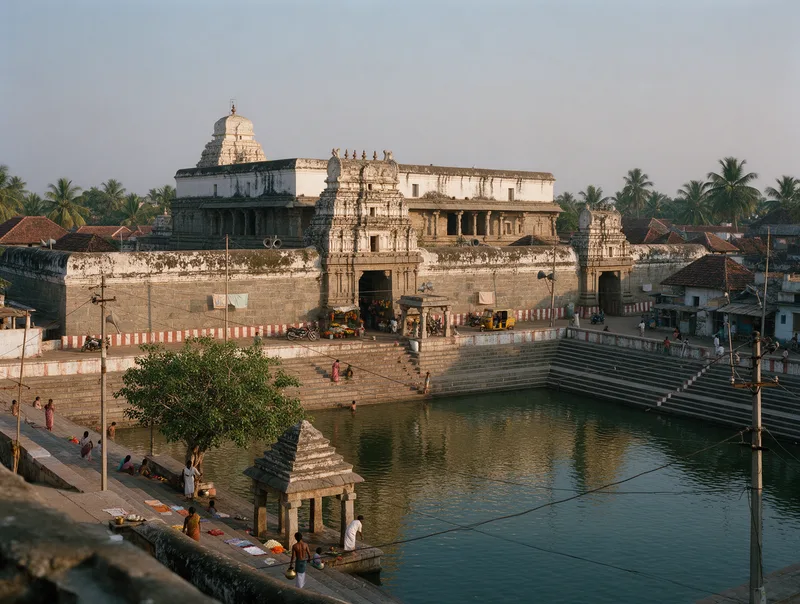 Devotional44 kmద్రాక్షారామం
Draksharamam
A Pancharama and a Shakti Peetha in one walled temple, beside the Sapta Godavari tank.Day trip · Dr. B.R. Ambedkar Konaseema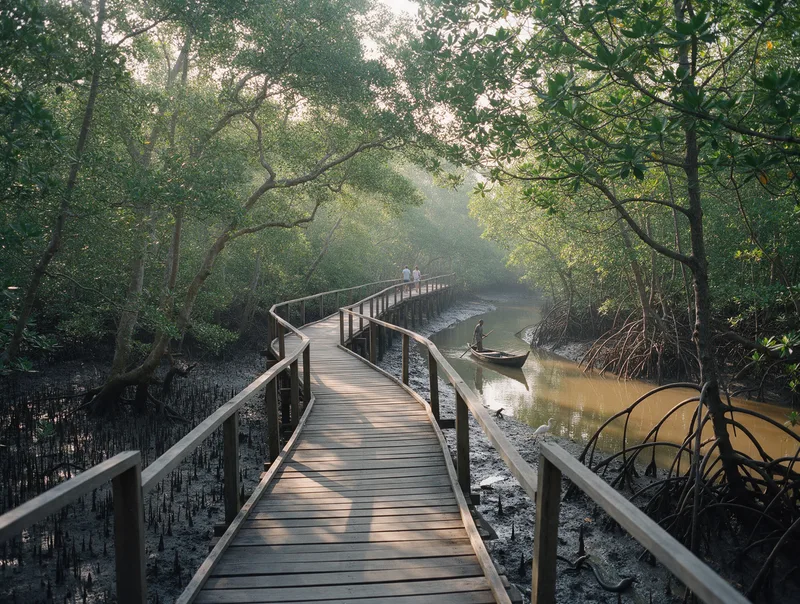 Coast & delta72 kmకోరింగ
Coringa mangroves
A boardwalk, a watch tower and boat rides through the Godavari delta’s mangroves.Day trip · Kakinada